



What to Expect at Your First Munch
Everything you need to know before attending your first munch — what it is, what to wear, what to talk about, and how to stay safe.
You have been reading about the kink community for months. Maybe years. You have consumed forums, blogs, podcasts, and more Reddit threads than you care to admit. You know what you are interested in. You know the terminology. You might even be practising power exchange with a partner already. But you have never been in a room with other people who do this. And that is what a munch is — except it is less intimidating than the sentence you just read.
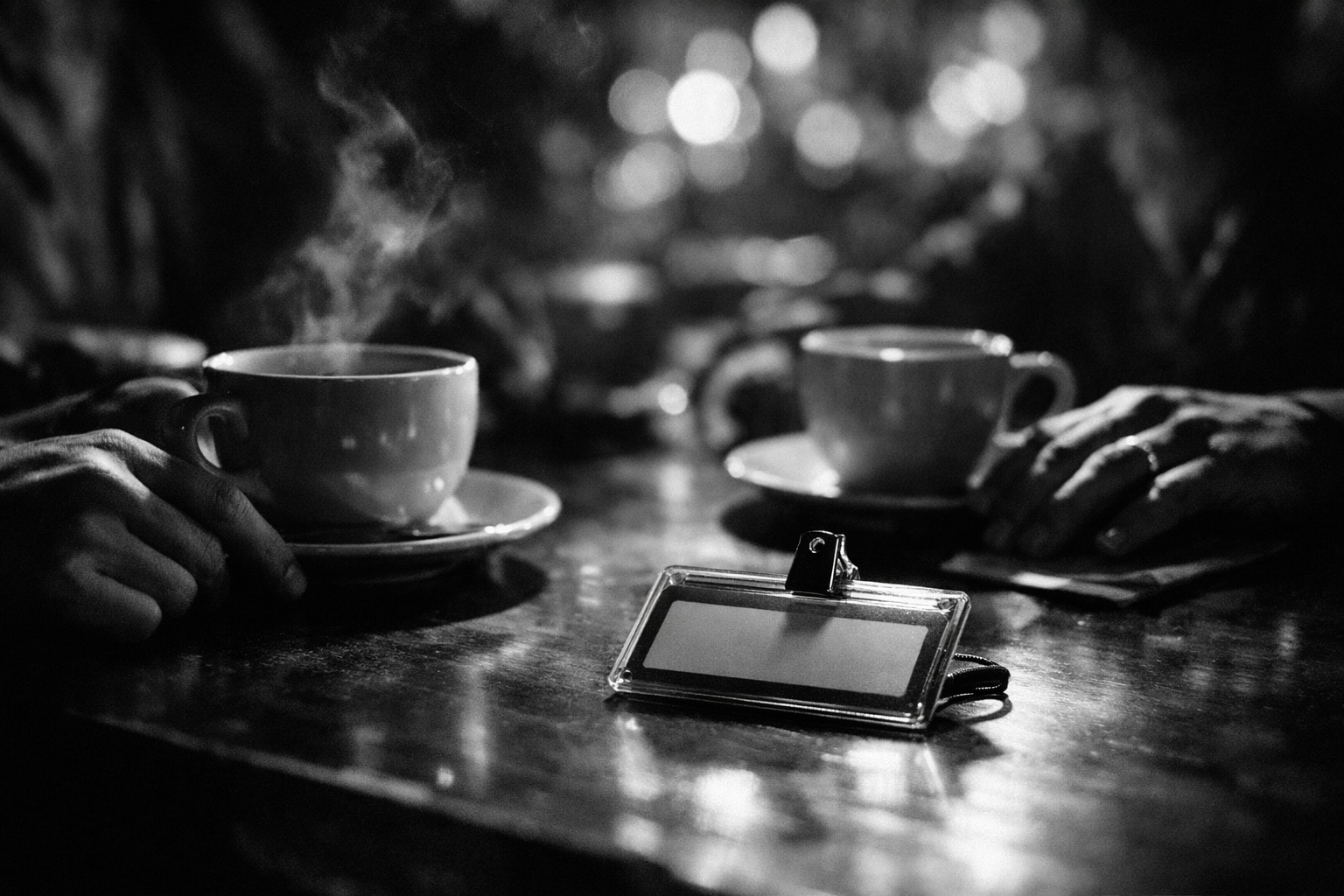
A munch is a casual social gathering of kink-interested people at a vanilla public venue, almost always a restaurant, cafe, or pub. There is nothing sexual about it. Nobody is wearing leather (unless they like leather, in the way any person might). Nobody is kneeling. Nobody is calling anyone Sir. It looks, from the outside, like a group of people having dinner. Because that is what it is. A group of people having dinner who happen to share an interest that they cannot easily discuss in other social settings.
If you are nervous about going, that is normal. This guide will walk you through what to expect so you can replace the anxiety of the unknown with the manageable nervousness of doing something new.
What a Munch Is (And What It Is Not)
A munch is a social event. Full stop. It exists so that people in the kink community can meet each other, form friendships, and feel less isolated. That is the entire purpose.
It is not a play party. No scenes happen at munches. No one will touch you, proposition you, or expect anything from you beyond basic social courtesy. If anyone does any of those things, they are violating the norms of the event and you should tell the organiser.
It is not a dating event. Some people meet partners at munches. But the primary purpose is community, not matchmaking. Treating a munch like a singles event is poor form and will be noticed.
It is not a class or workshop. You will not be taught anything formally. Learning happens through conversation, but there is no curriculum.
What it is: a table at a restaurant, eight to thirty people depending on the group, food and drinks, and conversation that ranges from kink to work to television to politics to kink again. The ratio of kink discussion to general socialising varies by group and by evening. Some munches are heavily kink-focused. Others are just friend groups that happen to share a common interest.
How to Find One
Munches are organised through a few primary channels.
FetLife is the most common. Search for your city or region, find a local group, and look for events tagged as "munch" or "social." Most cities with a population over 100,000 will have at least one regular munch. Larger cities often have several — general munches, age-specific munches (for example, under-35 or over-50), identity-specific munches, interest-specific munches (rope enthusiasts, D/s-focused, etc.).
Discord servers and Telegram groups for local kink communities often list upcoming munches. These are harder to find but tend to be active once you are in.
Word of mouth. If you know one person in the local community — even an online acquaintance — ask them. Most community members are happy to point newcomers toward beginner-friendly munches.
When choosing your first munch, look for groups that are explicitly welcoming to newcomers. Many munches have a "greeter" role — someone designated to welcome new attendees and introduce them around. This makes the first experience dramatically less awkward.
What to Wear
Normal clothes. Whatever you would wear to a casual dinner with acquaintances. Jeans and a nice top. A dress. Trousers and a button-down. Trainers are fine. Boots are fine. Whatever feels like you.
You do not need to signal anything through your clothing. You do not need to wear black, leather, a collar, or anything else that you associate with kink. Some people do, and that is their choice, but there is no expectation.
The goal is to feel comfortable enough to relax and be social. If getting dressed up makes you feel confident, dress up. If overthinking your outfit is making you more anxious, put on what you wore yesterday and go.
What to Talk About
Anything. The beauty of a munch is that you can talk about kink openly without the need to explain or justify yourself, but you do not have to talk about kink at all if you are not ready.
Common first-munch conversation topics:
- How you found the event. This is the standard opener for anyone new. "A friend recommended it" and "I found it on FetLife" are both completely normal answers.
- General interests. Books, films, hobbies, work (if you are comfortable). You are a whole person. Bring your whole self.
- What brought you to the community. If you want to share. There is no obligation to disclose anything about your kink interests on a first visit. "I am curious" is a complete answer.
- Questions about the local scene. What events happen in the area? Are there classes or workshops? What other groups exist? People love talking about their community and will usually answer at length.
Things to avoid:
- Graphic descriptions of your fantasies at the dinner table. Kink-positive does not mean sex-talk-anywhere. Read the room. If the conversation has gone there organically and everyone is comfortable, fine. If you are bringing it there unprompted, pull back.
- Asking someone to play or to be your Dom(me)/sub. A munch is a social event. Get to know people first. Dynamics develop from connections, not requests.
- Interrogating someone about their kink. "What are you into?" is fine as a casual question in context. A detailed cross-examination of someone's limits and experiences is not.
Most people at munches are warm, talkative, and genuinely happy to see new faces. The community grows through new people showing up, and regulars know that. You will almost certainly find someone who remembers being exactly where you are and goes out of their way to make you feel welcome.
Safety Precautions
A munch is a low-risk event. It is in a public place, it is social, and established groups have norms and organisers who maintain them. But you are meeting strangers, and basic precautions are always wise.
Use a Scene Name
You do not need to give your legal name. Many people in the kink community use scene names — consistent pseudonyms that are well-known within the community but separate from their vanilla identity. If you want to use one, choose it before you go and introduce yourself with it naturally. Nobody will question it. Many of the people at the table will be doing the same.
If you are comfortable using your first name, that is fine too. Just avoid giving out your full name, workplace, or home address at a first meeting.
Tell Someone Where You Are Going
If you have a trusted friend — vanilla or otherwise — tell them where you are going and when you expect to be back. A simple text: "I'm going to a social thing at [restaurant] tonight, should be back by 10." You do not need to explain what a munch is if you do not want to. A safety check-in is just good practice for any event where you are meeting new people.
Drive Yourself or Use Rideshare
Do not accept a ride from someone you have just met. Arrive independently, leave independently. You can relax into the community over multiple visits. The first visit is for observing, connecting, and getting home safely.
Do Not Overshare
The excitement of finally being in a space where you can talk openly about kink can lead to sharing more than you intended. Pace yourself. You do not need to reveal everything about your dynamic, your interests, or your personal life on the first visit. Share what feels right. You can always share more next time.
Watch for Red Flags
Most people at munches are genuine, community-minded, and safe. But any social group can include people who are not. Watch for:
- Anyone who pressures you to share more than you want to
- Anyone who dismisses or minimises consent practices
- Anyone who tries to isolate you from the group
- Anyone who contacts you after the event in ways that feel boundary-pushing
Trust your instincts. If someone makes you uncomfortable, you are allowed to walk away, change seats, or leave the event entirely. The organisers are a resource — tell them if something feels wrong.
What to Expect Emotionally
Your first munch will probably involve a cycle of feelings that goes something like this:
Before arriving: Anxiety. Second-guessing. "Maybe I'll just go next month." This is the hardest part. Getting into the car (or onto the bus, or out the front door) is the biggest hurdle.
Arriving: Awkwardness. You are looking for a group of strangers you have never met, in a restaurant where other diners have no idea what is happening at that table. You will probably hover near the entrance for a moment. That is fine. Look for a table that seems slightly too large for a casual dinner, or ask the host if there is a reservation under the group name.
First twenty minutes: Relief mixed with residual nervousness. These are normal people. They are not what you expected (whatever you expected). Someone introduces themselves, asks your name, and suddenly you are in a conversation about something mundane and the ice is broken.
Middle of the evening: Something will shift. Someone will say something openly about kink — their dynamic, a recent event, a funny anecdote — and it will land with the casual normalcy of discussing a weekend hobby. And you will realise: this is what it feels like to not hide. Even if you do not share anything about yourself, witnessing other people discuss power exchange without shame or performance is quietly transformative.
After leaving: A mix of excitement and processing. Many people describe their first munch as the moment the community became real rather than abstract. You might feel energised, reflective, or both. You might cry in the car. Not from sadness — from the relief of belonging somewhere.
If your first munch is awkward or does not click, try another group before giving up. Different munches have different vibes. A munch full of people in their fifties when you are twenty-five might not feel like home, but a younger munch in the same city might. A general munch might feel unfocused when what you wanted was a D/s-specific conversation. Give it two or three tries before concluding that munches are not for you.
Going Alone vs. Going With Someone
Both are fine. If you have a partner or a friend who is also interested, going together can reduce anxiety. You have a built-in conversation partner and someone to debrief with afterward.
Going alone has its own advantages. You are more approachable as an individual than as a couple, and you are more likely to meet new people simply because you have to. Many regulars specifically keep an eye out for people who arrive alone, knowing they may be nervous, and will make an effort to include you.
If you are in a D/s dynamic and considering attending together, discuss in advance how you will present yourselves. Some couples attend as a visible dynamic (one partner wearing a collar, for example). Others attend as equals. There is no right answer — only what you and your partner are comfortable with in a social setting.
After the Munch
You went. You survived. Maybe you even enjoyed it. Now what?
Follow up. If you exchanged contact information with anyone, a brief message the next day is good form. "It was nice meeting you, I had a great time" is sufficient.
Debrief. If you have a partner, talk about the experience. What surprised you? What did you enjoy? What made you uncomfortable? These conversations are valuable regardless of whether you plan to attend again.
Go back. The first munch is the hardest. The second is when you start to actually connect with people. The third is when you start to feel like a regular. Community is not built in a single evening. It is built through consistent showing up.
Explore further. Once you are comfortable with munches, you may want to explore other community events — workshops, classes, discussion groups, and eventually play parties if that interests you. Munches are often the gateway to a broader community engagement.
A Final Word
The kink community exists because people showed up. Every regular at that munch was once the nervous newcomer hovering near the entrance. They went anyway. And then they went again. And now they are the person welcoming you to the table.
Your knowledge, your interests, your dynamic — all of that is valid whether or not you ever attend a munch. Community is not mandatory. But it is available, and for many people, it is the difference between practising kink in isolation and practising it with the support of people who understand.
Go to the munch. Wear normal clothes. Eat the food. Talk to the people. And if it is terrible, you never have to go back. But it probably will not be terrible. It will probably feel like the beginning of something.
Go deeper
Read the full guide→